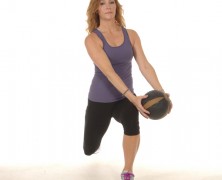
Good balance isn’t just for surfers and skiers. As an MMA fighter, you need good balance to prevent injury, build strength, and control your opponent. Ask your average fitness professional how to train for balance, and he or she will probably recommend you hop aboard a wobble board, balance ball trainer or the like — all unstable-surface training (UST) devices.
But recent research suggests that the practical applications for UST are more limited than wobble-boarders would have us believe. Doing UST can actually de-power healthy MMA athletes because it’s not functional. (In its truest sense, functional training prepares individuals for the demands of work, daily life and competitive athletics.) The floor of a typical MMA ring or cage doesn’t move so, unless you’re preparing to surf, skateboard or snowboard, wobble exercises may detract from your goal: performing well on solid ground.
MMA Supplements
MMA Nutrition
Stable Surface vs. Instability Recent studies put a group of athletes on a standard stable-surface training program and another group on an unstable-surface program. This research showed that replacing as little as 2 to 3 percent of overall training with unstable-surface training in healthy, trained athletes impaired the development of sprinting speed and vertical jump height.
Why the drop in power? It could be because UST causes you to pronate more quickly and for longer periods of time than does stable ground, putting you constantly in “deceleration mode.” Over time, this could limit how well you can store and release elastic energy in lower-body muscles during running and jumping. Or, UST might simply train you to react tentatively, even when an explosive movement is required.
While the specific reasons UST interferes with power improvements warrant further investigation; our training needs to reflect the demands of our sports. We can’t train slowly on an unstable surface and expect to be fast and powerful on a stable surface. The study that trained on stable surfaces showed significant gains in power tests such as the vertical jump and sprinting speed. It’s no leap of logic, then, to presume it’s beneficial to use that kind of surface during training if we want to jump higher and run faster. Or for MMA: hit hard, sprawl faster, kick higher, or shoot with more speed.
So what can you do to improve your balance? Simply put, you need to challenge your stability while your lower body remains in contact with solid ground. This includes training techniques ranging from single-leg work and asymmetrical loading to applying destabilizing forces while attempting to remain stable.
Train on One Leg. You can incorporate unilateral (single-leg) training into what, for most of us, is a bilateral training world. In other words, keep one foot planted firmly on the ground. Besides strengthening the small stabilizing muscles around your spine, unilateral training helps you build strength equally in both legs (it doesn’t allow for unhealthy compensation patterns the way bilateral training does), strengthening any weak points in the chain. You’ll also reinforce knee-stabilizing muscles, thus preventing knee injury.
Alter Gravity. You can also improve your balance by moving your center of gravity upward or forward. The higher your center of gravity, the less stable you are, which forces those core and intrinsic spinal muscles to work harder to compensate. An object with a lower center of gravity is more stable because more work is required to topple it. To challenge yourself, raise your center of gravity by performing moves with one or both arms above your head or in front of you, he suggests. You challenge yourself more by standing with both feet planted, bringing a barbell to chest level and then raising it overhead. The higher you go, the tougher it is to stabilize.
Close Your Eyes. Closing your eyes during certain exercises can improve your proprioception, which in turn can help prevent injury by increasing your agility and reaction times. By shutting off your sense of sight, you force your neuromuscular system to do all the reacting. Closing your eyes works best when you’re performing the most basic of exercises. Start by closing one eye while you stand still with both feet on the ground, then progress to standing with both eyes closed, standing on one foot with one eye closed, and finally standing on one foot with both eyes closed.
When Is Unstable-Surface Training a Good Idea? There are times when unstable-surface training (UST) is not only helpful, but necessary. Lower-body UST has a ton of merit in those returning from ankle sprains. UST has proven effective time and again when addressing the chronic functional ankle instability found with sprains. This is because UST helps to retrain the peroneals — the muscles on the outsides of your lower legs — to react quickly and prevent future sprains.
UST is great for training your upper body, too. While in sport and life, the lower body is in contact with a stable surface most of the time; the torso and arms are constantly engaged in motion without being anchored to the floor. So it’s appropriate to work the upper body and torso by making them unstable, as long as your feet are solidly planted on the ground. If it’s at or above the hips, you’re in good shape. So, go ahead and do pushups on a BOSU or dumbbell presses using a stability ball as your “bench.”
swarovski crystals
If you’ve been looking for sound advice on weight loss programs and diet plans, we have some good news for you. We’ve compiled a top ten list of weight loss tips for women. These tips on losing weight are powerful and proven to get results. Best of all, you won’t find any gimmicks or fads here. Only the best, most accurate and scientifically proven health advice made the cut and has been included in this fitness advice guide.
1) Our first weight loss tip for women is simply to exercise consistently. That may seem like common sense, but only 45 percent of adults are actually following their doctor’s advice and getting the recommended minimum: 30 minutes a day, at least four days a week. After only four weeks of inactivity the body begins to shed muscle mass, and aerobic fitness levels start to diminish after missing only two weeks of workouts. That’s why regular, consistent exercise is our first and most important weight loss tip.
2) Don’t focus so much on fast weight loss. Instead, concentrate your efforts on achieving permanent weight loss. While it may be tempting to try the latest fad diet or prescription diet pill, keep in mind that quick weight loss doesn’t always equate to healthy weight loss. As a matter of fact, when you diet without exercising, up to half of the weight you lose could be from muscle mass. Losing muscle is the absolute worst thing you can do when you’re trying to acquire permanent fat loss, so don’t be tempted by the gimmicks promising rapid weight loss. Focus on permanent weight loss through a sensible diet and exercise program, and you’ll be pleased with the long-term results.
3) This weight loss tip is perhaps the best free medical advice you’ll ever receive: Eat your recommended daily allowance of fruits and vegetables before indulging in any treats. This diet tip is so potent because it will help you realize better health in so many different ways. First and foremost, consuming at least five servings of fruits and vegetables each day will help us lose weight because fiber moves fat through our digestive system faster so that less of it is absorbed. High fiber foods also make us feel full sooner and stay in our stomach longer, slowing down our rate of digestion and keeping us feeling full longer. Following this health tip will also lower your risk of several cancers and heart disease.
4) As much as possible, eliminate ‘white’ foods from your diet. High sugar and high carbohydrate foods create an insulin spike that tells our body to start storing fat. They also trigger a blood sugar high, which is inevitably followed by a low. This drop in insulin levels leaves us feeling hungry, tired, and wanting to eat more. Specifically, at the bottom of an insulin crash the body craves more sugar and carbohydrates, setting us up for a vicious weight gain cycle. With this in mind, it’s good advice to simply avoid ‘white’ foods whenever possible. Choose brown rice instead of white, whole wheat bread instead of white, and cut back on goodies made with white processed flour.
5) Actively seek out all the expert advice on health, diet and nutrition that you can find. There are many reputable sources of online medical advice available, and much of it is free. Knowledge is power, and the more you know about weight loss, the more likely it is that you’ll be successful in your efforts. Look for free advice and fitness tips from qualified sources like health club owners, physicians, and certified personal trainers. In short, learn all you can.
6) Get at least eight hours of sleep each night. Research has shown that people who sleep only four hours a night have an 18 percent reduction in leptin, a hormone that tells the brain there is no need for more food, and a 28 percent increase in ghrelin, which triggers hunger. This is one weight loss tip that should be easy for anyone to follow.
7) Drink water. Drink LOTS of water. Water suppresses the appetite naturally and helps the body metabolize stored fat. Studies show that a decrease in water will cause fat deposits to increase, while an increase in water can actually reduce fat deposits. Why? The kidneys can’t function properly without enough water. When the kidneys don’t function to capacity, some of the work load is taken on by the liver. The liver’s primary function is to metabolize stored fat into usable energy. If the liver has to do some of the kidney’s work, it can’t function at its optimal capacity. As a result, it metabolizes less fat. More fat remains stored and weight loss / fat loss stops.
Although it’s not a workout tip or an exercise tip, staying motivated is probably the most effective weight loss advice you’ll ever receive. Since each person in different, motivational techniques will vary. However, many have found that charting fat loss progress to be very encouraging. Others maintain that the single most motivating action is to find a friend and commit to exercise together. Whatever method you choose, find a way to stay motivated if you want to write your own weight loss success story.
9) Essential weight loss advice for a woman is to not exercise like a man. That may sound strange at first, but the fact of the matter is that there are several separate and distinct exercise methods available, and not all are proper for women. In fact, some types of exercise could possibly cause women to gain weight (although any weight gain would be from added muscle, not from fat). For maximum fat loss, women should be engaging in not only aerobic exercise but also in light resistance training.
10) Our final weight loss tip is to carefully select vitamins and supplements to help you attain your fat loss goals. There are a million diet pills and weight loss pills on the market, but the vast majority of them may not be appropriate for you and your personal needs. Instead of buying what you see on the infomercials, take the time to research what’s effective and what’s not. Most importantly, speak with your doctor before beginning any supplement program. Medical research has given us many breakthroughs in the last few decades, and vitamins and supplements can certainly be a valuable tool in your weight loss toolbox. Take the time to investigate the options and choose wisely.
Although there’s a mountain of health advice available today, our Top 10 Weight Loss Tips for Women are the best, most accurate and scientifically proven recommendations at hand. Take them to heart, and you’ll be well on your way towards fat loss success.
Learn About the Crucial Links Between Fitness and Menopause
Did you know that a regular fitness or exercise routine plays a major role in reducing the symptoms of menopause? One particular symptom of menopause is weight gain, which, unfortunately seems to develop just as a woman finally reaches a point in her life when she’s mature and self-confident, and then the fat starts piling on. This weight gain is quite common and the result of declining hormone levels which causes the metabolism to slow down significantly, even in pre-menopausal women.
The majority of women will especially notice an increased amount of fat deposition around their mid-section, which plays a significant role in contributing to heart disease, the number one killer of middle-aged and older women. Not to worry; this weight can be managed quite easily by simply getting into a regular fitness and exercise routine. Fitness and consistent activity really are the keys to decreasing weight and avoiding the pitfalls of aging. By committing to a regular exercise routine, one which includes weight bearing exercises, women will change the muscle-to-fat ratio, enabling them to increase their metabolic rate and burn calories, even at rest.
In addition to weight gain, women in their thirties begin to lose bone mass at a rate of approximately 1% per year and that rate increases to 2%-3% per year after menopause. Studies have shown that exercise can actually increase a woman’s bone density, thus reducing the risk of osteoporosis and the incidence of falls and bone fractures associated with osteoporosis. Unfortunately, osteoporosis often goes undetected until bone fractures occur, but by taking preventative measures, such as getting into a regular fitness routine, women can indeed reduce this risk.
Exercise and fitness can also be beneficial in reducing the incidence of hot flashes, a common symptom of menopause. Hot flashes can contribute to impaired sleep patterns and a decreased energy level. Additionally, hot flashes can also affect one’s overall mood, which has the potential to negatively affect both personal and professional relationships. While estrogen replacement therapy has been shown to decrease these symptoms, for many women a regular exercise routine appears to be a very viable alternative.
Simply stated, making fitness and exercise a priority will benefit most women who are approaching or experiencing menopause, and the positive results, both physically and emotionally, are well worth the extra time required to begin and continue a regular exercise routine. It’s easy to make excuses to not make time to ensure that fitness is a priority, but it’s crucial to understand that being regularly active will lead to overall good health now and in the future. The only results you’ll see from your added physical activity will be those that are very beneficial to you and those you love.
swarovski rhinestones
What makes a seasoned woman? Time. Like a good wine, she’s complex. Life experience has taught her that she is not defined by her chronological age. If you’re a seasoned woman you know your health is your most precious asset. You know that the best gift you can present to the world is a healthy YOU – physically, mentally, and emotionally.
But if you’re over 40 and especially if you’re over 45, you’ve probably realized that keeping fit and healthy isn’t the same game you played in your 20′s and 30′s. Maybe you can’t lose weight as easily as you once did. The same workouts aren’t producing the same results. Every woman over 40 knows that feeling of frustration when she’s gained a few extra pounds, or of not being able to work out as intensely as she once did. Busy lifestyles make healthy eating and exercising even more challenging.
While we’re not all the same, every woman needs to exercise and embrace healthy eating habits. I’ve identified 5 of the biggest barriers to staying fit after age 40 – and how you can overcome them. I want you to challenge your beliefs about eating, exercising, and how you look. Learn your individual “factory settings” and how you can naturally and intuitively stay fit and healthy. Staying fit isn’t about feeling bad. It’s about feeling strong. And having fun – not stressing about every forkful of food or every minute on the treadmill. Remember, you become what you believe! Be the beautiful, seasoned woman you are – it’s the spice that makes the dish!
Barrier 1: The cookie cutter syndrome
Your body has specific factory settings that are unique to you. What you may not know is your body naturally wants to take you to your optimum weight (not Jessica Alba’s or Angelina Jolie’s) as long as you don’t fight it. You just have to reacquaint yourself with you and stop using cookie cutter programs that don’t address YOUR special needs! Yes, it might be harder to lose or maintain your weight once you hit your forties and fifties, but when you understand how your individual body works, you can get results faster and maintain them easier.
You’ll look great and feel even better. Take off your clothes and take a good look at yourself in the mirror. Like a lobster that discards its old shell and grows new shells throughout its lifetime, you have the power to throw off old images of your body and embrace who you are right now – without beating yourself up about it. Start paying attention to your body. Follow its wisdom.
You are not doomed to either being overweight or to being on a perpetual diet. Once you accept the body you were born with, you can return to your unique, normal weight – as nature intended. What I’m strenuously against is the endless pressure to be THIN. That’s a huge part of the problem. The data from some treatment centers shows a steady increase in eating disorders in women over the age of 40. We’re all different. Some bodies are meant to be soft and curvy. Others are naturally sharp and angular. That’s the beauty of diversity. Accepting and loving the unique beauty of your body will set you free and give you confidence and power!
Barrier 2: Minding Your Metabolism
Nutrition is essential to metabolism. Everyone is familiar with the word “metabolism”, but not a lot of people know what it means. You probably know someone who can eat anything they want and not gain weight. Well if you believe some people are just born with robust metabolism….it’s a myth!
The truth is, you are not the victim of your metabolism – you are the creator of your metabolism. There’s no mystery. Food is simply energy. Your body requires energy to function. Food in the form of protein, carbohydrates and fat are your main sources of energy (calories). Take in more energy than you need from any of these and your body will store it as fat. You need to eat smarter, not less. Lose the mindset: “eat less, weigh less.” Restricting your calories will guarantee you a slower metabolism. The act of HEALTHY eating – which is prompting your body to process the supportive foods frequently – guarantees a faster metabolism. A faster metabolism means your body becomes a fat burning machine.
Barrier 3: Diet Addiction
Diets don’t work.
The health and fitness industry is banking on the fact that you either don’t know this or won’t believe it. But if you’ve tried to lose weight in the past on any kind of fad diet and you’ve gained the weight back and then some, you know what I mean. I know, you’re probably thinking you have to be on a diet forever to have any kind of permanent weight loss. But nothing could be further from the truth.
With rare exceptions, most people were born into normal weight bodies. But then we learned to diet instead of eating intuitively. Dieting signals deprivation to your body and sparks a biological drive to prime the body to maximize food intake and minimize energy burned to save itself. Making the best food choices is your secret weapon in the quest for over 40 fitness. Eating supportively will help you boost your metabolism, burn more fat and increase your energy dramatically. The goal here is to be FIT and HEALTHY and look great for YOUR body type.
Believe it or not, good nutrition is that powerful! And you can change your eating (or lack of eating) habits bite by little bite. Aim for at least one healthy choice each day and more supportive than the day before. Go for 2-3 improvements each week. Making these small nutritional changes will quickly add up to amazing results as you gain control over your metabolism.
Barrier 4: Ignoring the Fab 4
There are 4 essential components of fitness. If you want to get fit and avoid injury, you’ll need some variations of all of them. Many clients complain about taking the time to stretch or just want to do cardio without weight training or weight training without cardio. You need them ALL. So what are they?
1. Balance & Flexibility
2. Muscular Strength & Endurance
3. Body Composition
4. Aerobic Capacity
Your body composition shifts as you age. Weight gain after 40 is very common. The most dangerous type is around the mid-section because of its proximity to your organs, so it’s the greatest risk for heart disease. The good news is that the combination of cardio, resistance training and flexibility exercises means that a healthy body composition will take care of itself! We lose an average of 5% of muscle mass every ten years after the age of 35 – if we don’t do anything about it. A side effect of this is weight gain.
Cardio exercise increases your metabolism so that you burn energy at a higher rate than if you weren’t exercising. It reduces your appetite by turning on your sympathetic nervous system. This activates your “fight or flight” response. What does that mean? Try this:
The next time you feel a twinge to binge, take a quick walk or jog. Notice how you feel after you workout. Your hunger will lessen or disappear altogether. Cardiovascular exercise, resistance training and flexibility exercises will help you lose extra weight that stresses out your joints. You’ll strengthen the joints and elongate the muscles which reduce your risk of injury in your day to day activities.
Barrier 5: Leaving Your Goals to Chance
Research shows that writing down your health and fitness goals makes them 95% more achievable. The more specific you are about what you want, the more likely you will do what is necessary to get it.
First, check your expectations. Are your goals reasonable? While it would be nice to lose 20 pounds in 7 days, there is no safe way to make that happen. Unrealistic expectations undermine your efforts and make it difficult to stay on track. Look beyond the obvious. Set goals that can be measured with something other than a bathroom scale – like lowering your blood pressure by 10 points or increasing the distance you can walk or jog.
It’s much easier to sit with a glass of wine or a bowl of ice cream than to jog to the corner or do crunches on a stability ball. But you don’t have to go to the gym, and you can carve out 30 minutes a day to work out. For years I exercised either first thing in the morning before work or at night after the kids went to bed with nothing except a couple of exercise videos, a few hand weights and a workout bench I bought at Goodwill for 5 bucks.
Start right where you are. If you don’t (or can’t) make time to do this FOR YOU, perhaps the problem isn’t the fact that you’re time crunched. Perhaps your life has gotten too out of control and the question now becomes priorities. Your health and well being should be at the top of the list!
The best advice I can give you is JUST GET STARTED. Start moving. The more you move, in very subtle ways, the more calories your body will burn throughout the day. And that will have more than subtle positive effects!
WP Robot WordPress Autoposter
If recent media coverage were any indication, it would appear that virtually nobody in the United States has had any success at losing weight. Crash diets, weight loss pills and get-thin-quick gimmicks are more prevalent than ever, yet two-thirds of our population is still overweight. Even more startling is the fact that approximately one-third of the people in our country are clinically obese.
Yet more and more Americans are finding that weight loss success is not only within their grasp, but also actually easier to achieve than they thought possible.
Due to the rapid growth of women-only circuit-training gyms, women in particular are finding that weight loss is an achievable goal. Workouts just for women have become a common sight from sea to shining sea, with the International Health, Racquet & Sportsclub Association reporting that as of July 2005 there were 26,046 health clubs in the United States (a 10.8 percent increase from just six months previous). Women-only circuit training clubs account for more than one out of every three fitness centers in the nation.
Sales at fitness clubs have also been on the rise. In January 2003, the latest figures available, the industry collectively took in $14.1 billion in revenue, a jump from $13.1 billion a year earlier.
Why has the women-only circuit-training exercise model worked so well? The short answer is that it works. Circuit training is a proven exercise system that, for many women, has proven to be more effective than dieting or nutrition programs alone.
The routine at these ladies express gyms is quick and simple, allowing each woman to progress at her own pace. The ladies exercise in a circle, each at a station. They spend 30 or 45 seconds at each station, either working a hydraulic resistance machine or doing aerobics. The entire routine takes 30 minutes.
Pick Up The Pace is one such gym for women that has carefully tracked the success of its members for years. Deanna S., a member of Pick Up The Pace in Libby, MT, lost 14.75 inches in just one month. Kim M. reduced her body-fat by 4.2 percent in just one month at Pick Up The Pace, while at the same time losing 10.75 pounds of fat.
With results like these, it’s easy to see why this fitness center concept has skyrocketed in popularity with today’s average woman. For perhaps the first time in their lives, women are finding that it’s possible to slim down and tone up in only 30 minutes each day.
What many women see as just a great way to achieve some quick weight loss, others see as a business opportunity. Despite the incredible growth of these hydraulic gyms, there seems to be no shortage of customers. As reported by CNN on 1-14-05 “Americans were expected to spend more than $40 billion in 2004 on weight control pills, gym memberships, diet plans and related foods, estimates Marketdata Enterprises, which studies the weight loss industry.” Furthermore, statistics from the Centers for Disease Control and Prevention (CDC) indicate that 80 percent of overweight individuals and almost 87 percent of obese individuals are trying to lose or maintain their weight.
As reported by mygoals.com, 80 percent of Americans made a New Year’s resolution in 2005. A whopping 26 percent of those resolutions were to improve overall health and fitness, making this the top category for self-improvement. This year was no anomaly, either, according to Amy O’Connor, deputy editor of Prevention magazine: “Fifty-nine million people every year resolve to lose weight.”
With so many potential customers, many women seek to start their own circuit-training business only to find themselves discouraged by the typical franchise opportunity. They’re finding that a hydraulic gym franchise such as Curves for Women can be expensive, restrictive, and sometimes difficult to purchase.
According to the International Franchise Association, one of the women-only workout franchises recently announced that they are raising their franchise fee from $9,995 to $12,500. Another franchise package costs anywhere from $85,000 to $225,000, including a $36,000 franchise fee and startup cost. Monthly franchise royalty payments, which can range from $395 to $590 per month, place an additional burden on the franchisee. Assuming that the franchise agreement permits the buyer to use the franchise name for 10 years, the gym owner will be paying approximately $60,000 in royalty payments over the franchise term. These figures can scare off many would-be health club owners.
Many women who do opt to open a circuit-training franchise find that the franchise agreement does not grant them the liberty to add amenities as they wish. Many franchise operations restrict their fitness centers by not allowing them to add tanning, nutrition counseling, supplements, vitamins, massage therapy, body wraps or other extras for which ladies are clamoring.
Relying on good old American made ingenuity, many women entrepreneurs are choosing to either open a completely independent workout center or opt for a license package. While going independent carries the inherent risk of having to reinvent the wheel, it still may be the best option for some women. The other option is to capture most of the benefits of a franchise while at the same time avoiding the financial burdens of that system. This is done with a license package, such as the one offered by Pick Up The Pace 30-Minute Workout For Women.
For many women, getting fit, slender and in shape themselves has not only been good for their health but has also prompted them to enter the fitness market as a gym owner. With obesity rates still climbing, this is a trend that may continue for years to come.
1. BETTER POSTURE – If you have rounded or hunched shoulders and want to improve your posture, here are two things you can do. Backward shoulder rolls and shoulder squeezes with short sustained holds can help strengthen you upper middle back and stretch your chest. Think of your chest as if it were the headlights of a car and always keep your head lights up. Avoid arching your back. You’ll soon walk straighter, stronger and be on your way to better posture for life.
2. METABOLISM – Exercise not only increases the metabolic rate for the duration of the activity, but also for many hours after completion. Studies have indicated that the resting metabolism is still elevated some 18 hours after the exercise period. That means you’re still burning calories long after you’re finished working out.
3. WEIGHT LOSS – “It’s hard to lose weight and keep it off”. How many times have you heard that? The recent release of information saying that we have a fat gene is very depressing. It would be so easy to believe the “doomed to be fat” editorials or the notion that there’s little that we can do about how much we weigh. But don’t you dare for a minute, buy into that kind of thinking. If you watch what you eat and stay active, how much you weigh will be “OK”. Think about it, there are people you know who have been successful at losing weight and keeping it off. Think positively.
4. FLAT ABS – Don’t get too hung up on having the perfect flat stomach. For some people, this goal may be impossible. Even if you are very thin, your internal organs may give a slight roundness in your abdominal region. The flatness of your stomach depends, in large part on your genetics. That is, whether or not your body tends to store fat around your midsection or elsewhere.
5. HEART – Exercise has been proven to protect the heart. A moderate amount of exercise increase HDL cholesterol. It also lowers blood pressure, makes you less likely to gain weight, increases insulin sensitivity in the muscles and lowers the risk of formatting blood clots. Fit individuals have a lower risk of heart disease.
6. BMR – Our Basal Metabolic Rate (BMR), which is the number of calories burned at rest, decreases with age. Researchers have realized that a person’s lean body mass is the key to compiling a definitive figure. The best way to maintain lean body mass is by including strength training to your workout regime. Without strength training, the BMR may drop by 100 calories per decade, starting at age 20, so build those muscles and burn more calories.
7. STRENGTH TRAINING – Is an excellent way to slow down the aging process, In fact, one researcher indicates that much of what we call aging, is nothing more than the accumulation of a lifetime of inactivity. For example, muscles shrink due to inactivity – a process we call atrophy and body fat increases as a result. Also linked with inactivity are risks of diabetes, hypertension and osteoporosis. By preserving muscle mass, we may prevent these problems from occurring.
8. SPOT REDUCING – It is a myth that abdominal exercises like sit ups burn fat deposits around the waist. The fact is, abdominal exercises can strengthen your abdominal muscles which in return help burn fat overall but it won’t selectively burn abdominal fat. You can’t spot reduce, which means to lose weight from specific regions of the body. However, this is not to say that doing abdominal exercises is a waste of time. When properly done, they strengthen and tone your abdominal muscles which are otherwise hard to exercise. Strong abdominals muscles provide better support for the back and may alleviate some back problems. The best way to lose fat is exercise combined with a low fat diet.
9. INFLEXIBILITY – in the quads can alter pelvic alignment, which in turn contributes to problems in the lower back. Lack of muscular coordination in this area increases risk of accidents and falls. Remember to include flexibility and coordination exercises when working out.
10. WOMEN – generally lose between 3 and 6% of their bone density annually just before and after menopause. Researchers estimate that in the women they studied, waling generally delayed osteoporosis by about 7 years and also conveyed cardiovascular benefits.
11. WOMEN & HEALTH – Women who exercise regularly experience as much as 60% reduction in the risk of breast cancer. Those who participated in at least 4 hours of exercise per week appeared to reap the greatest benefit.
12. WEIGHT TRAINING – Research has found that as women become stronger and fit with weights, they begin to spend time pursuing other physical activities, such as team sports like tennis or join a cycling group, all because their stronger.
13. HEALTH – Did you know that strokes are rare in women 25-44? Under age 45, only 10/100,000 women lose their lives to stroke or other brain disorders. After 45, however, the rate zooms to 65/100,000 and continues to increase with age. The best way to avoid stroke is to control your blood pressure by keeping weight and cholesterol in check through healthy eating and regular exercise.
14. AFRICAN AMERICAN WOMEN – More than 40% of African American women weigh more than 20% above their ideal body weight, which gives them a 90% greater chance of developing heart disease. This extra weight, combined with a lack of exercise, contributes to other conditions that weaken the heart and one’s overall health, including high blood pressure, diabetes, and high cholesterol. So get movin’!
15. WEAK MUSCLES – A recent study indicated that half of women age 65 cannot lift 10 pounds. Women have less muscle mass to begin with, and they start to lose muscle strength more rapidly after age 60. Often times they become so profoundly weak that they must be put into nursing homes because they are unable to perform their daily functions. So start pumping those weights.
16. EXERCISE DURATION – How much exercise is enough? Well, fitness experts say at least 60 minutes of moderate intensity activity a day. If you don’t have 60 straight minutes, break it up into 6, 10 minute workouts or 30 minute workouts 4 to 6 days a week.
17. MUSCLE MASS – More muscle creates a higher demand for energy. In order for muscles to maintain itself at rest and during exercise, you’ll need to eat more foods high in nutrients. How do we create this formula…resistance training builds strong muscles, and eating foods low in fat will help to prevent the loss of muscle mass.
18. TOTAL BODY – just like baking a pie, you need all the ingredients to have a beautiful and tasteful pie, same with your body, it’s not one without the other, taking care of your body means as a whole, mentally, physically and spiritually!
19. HEALTHY FOODS – Eating foods that are rich in antioxidants are better for your skin, cells and body. Think organic, non-chemical foods that are not loaded with toxins. Eat fewer calories
20. REST – Your body needs rest to repair itself. Also, a rested mind is a happy mind that can think more clearly and has more energy. Active minds are more likely to remain healthy.
21. LIVE LONGER – Be active and live longer! Physical activity is critical to longevity and independent living. Death rates in non-active people double the rate of those that live an active lifestyle…so keep moving!
22. ADVICE – Eighty percent of women rely on their friends for advice and support when trying to improve health habits. Eating healthier diets and increasing physical activity are the main ways that women attempt to improve their health and succeed.
23. WORKING OVERTIME – Women who work overtime consume more high fat, high sugar snacks and caffeinated beverages, smoke more, and get less exercise. People snack more when they work in hostile, high stress environments. Snacking at work is not necessarily bad if you choose healthy foods such as fruit, low-fat yogurt, or high-fiber crackers.
24. MAGNESIUM – Calcium and vitamin D get all the glory when it comes to promoting bone health. While they are the major nutritional players in bone metabolism, minerals such as iron and magnesium are also important. Good sources of magnesium include fruits vegetables and whole grains. You can also beef up magnesium intake by taking a good multivitamin that contains it.
25. METABOLICALLY FIT – Sixty percent of Americans are overweight, while 25 percent are obese. Many of these people exercise regularly, some vigorously, but are still overweight. A few extra pounds are okay if you are metabolically fit- as long as you exercise regularly. It’s best to be lean and active, but you get some health benefits from exercise no matter how much you weigh. It’s easier for a fat person to increase physical activity than to lose weight through diet alone.
26. VITMAMIN D – Skin doctors have been telling women for year to stay out of the sun and avoid tanning beds to avoid wrinkled skin and skin cancer. While the bronzed tan look is still popular, many women cover up or use protective sun lotions to protect their skin. Avoiding the sun’s rays completely is not a good idea. The body gets vitamin D largely from a reaction that requires sunlight. The vitamin is essential for building strong bones, preserving muscle strength, and preventing multiple sclerosis, diabetes, and cancer. It also helps regulate cell growth, immunity, and energy metabolism. Dermatologists (skin doctors) countered that people with vitamin D deficiencies can take supplements and should avoid excessive sun exposure.
27. STRESS – Stress can literally give people gray hairs and cause cells to age and die faster than normal. Cells can only reproduce a limited number of times. Stress shortens that interval, which makes it more difficult to repair injured cells and fight disease. University of California, San Francisco found greater cell damage in women who were under high levels of stress compared to women who weren’t. Stressed women had cells that were judged 10 years older than the cells of unstressed women of the same age. The scientists speculated that free radicals- destructive chemicals produced normally during metabolism- were responsible for stress-related cell aging. Try to reduce the stress in your life- you might live longer.
28. WHOLE GRAINS – Eating more high grain foods contributes to weight loss and prevents disease. New FDA food guidelines recommend five to ten servings of grain products- at least three of which should be from whole grains. They also urged people to eat fewer servings of refined grain products. Whole grain foods must contain all three layers of the grain- the endosperm, the bran and the germ. Read the label carefully when shopping for these foods. Dark bread does not necessarily contain whole grains.
29. DARIY FOODS – Most women know the importance of calcium intake for building and maintaining strong bones. Dairy foods, such as milk and cheese, are the best sources for calcium. Dairy foods may also help fight fat. Iranian scientists found that men and women who consumed the most dairy products are 80% less likely to be obese and have a lower body mass index. Try to consume three servings per day of non-fat dairy foods.
Student Aid
Fruit and vegetables whether this is fresh, tinned, frozen or dried is of no matter as long as you are aiming to get you 5 a day this is important because you are making sure that you body is getting a good healthy amount of vitamins and minerals.
Eat foods which are high in fibre such as Wholemeal foods – varieties of bread Jacket potatoes, new potatoes and baked potato skins Wholegrain breakfast cereals, e.g. Weetabix, branflakes, muesli (unsweetened) and porridge. Wholemeal pasta and brown rice, Beans, lentils and peas, nuts and seeds, also when baking try using Wholemeal flour just to name a few. This is important because it reduces the chances of women developing gestational diabetes and other health problems.
Foods high in protein such as lean cuts of meat, low fat dairy products, nuts and seeds. Food high in protein makes sure that you have the right level of iron in your diet which is important because studies show that low levels of iron can effect the fertility of both men and women. Low levels of iron in the women’s diet can also increase the risk of postpartum anaemia, as well as other health issues both during and after pregnancy.
Another food which has been scientifically proven to reduce the fertility in both men and women is oysters. This is because oysters are high in Zinc which is what increases the fertility in both men and women. Zinc is important for the chromosomes and genetic build up of your baby, it helps the body make the best use of the reproductive hormones and it partially makes the sperm.
This is just a small brief list of the foods that you should be trying to intake whilst trying to conceive. To find out more about the food that you should be eating when trying to increase your fertility find out more at http://hubpages.com/hub/why-am-I-still-not-pregnant
Body building is getting more and more popular these days and for good reason. However, there are people getting into the sport and failing simply because they aren’t doing it correctly. The following are some great fitness tips to help you get fitter, stronger and healthier.
1. Get a program that will best suit you. Every body building program or workout is different. So always consult a qualified trainer to make sure that the fitness program will not hurt you. Going for a fitness program that sounds good but is out of your league can only cause frustrations and even injuries. So pick wisely.
2. Be realistic in your goals. Make sure that your target is achievable and realistic. The program also needs to be practical and not give you false hope. In fitness and body building, it is important to be aware of the blocks you will encounter.
3. Focus and work the muscles. When you develop muscles, you burn more calories and reduce fats in your body. Multi-joint exercises and weight lifting are recommended to help you achieve a more muscular physique. They aren’t just effective but time saving as well.
4. Be systematic. Your muscles should be working harder over time. Repeating the same sets of exercises and same weight without getting your muscles to work harder will not give satisfactory results. You can record your daily results and make the progression based on your previous data. A daily log will also motivate you since you are able to track how far you have gone. It builds confidence since there is a written proof something that was successfully accomplished.
5. Perform a set of exercises in 10 repetitions. Every number that was accomplished is called a repetition. Try to make every repetition with less momentum as much as possible. The lesser the momentum, the harder your muscles work. And the harder they work, the bigger they become.
6. Be flexible and perform a variety of exercises. Every exercise program should have variety. You can change your exercises, goals and sets every month to keep you motivated and on-the-go. Doing this will prevent boredom and losing energy physically and mentally.
7. Stay motivated! This may be the most important fitness tip of all. Many people drop out of fitness programs and workouts over time. Do not fall victim to this! Keeping an eye of your goals is a way of staying with your program. Remember that motivation gets you started and habit keeps you going.
You and I are facing a critical vitamin and mineral shortage. This health crisis has been growing at an alarming rate since the early 1900′s. Of particular concern are folks on weight loss diets – especially low carb diets.
As a partial result, nutritionally driven chronic diseases have reached epidemic proportions. About 95% of people over 40 will suffer from one or more of these chronic diseases by the time they reach retirement. Diseases such as cancer, heart disease, diabetes, dementia, vision loss – to name a few. That’s 95 people out of every 100.
For decades the medical community poo-poo’d the nutrition “fanatics” when they mentioned the importance of vitamins and minerals as a basis of our vital health.
Then, a real shocker.
In the June 19, 2002 issue of the Journal of the American Medical Association they announced: “Suboptimal intake of vitamins should be seen as a risk factor for chronic disease, especially in the elderly.”
This tells us that today our food contains MUCH LESS nutrition and yet our needs for vitamins and minerals are MUCH GREATER than ever before in human history.
You’ll discover, in this article, how this can be possible. And some simple steps you must take to protect yourself and your loved ones.
PLANTS ARE THE SOLE SOURCE OF ALL VITAMINS AND MINERALS FOR EVERY LIVING CREATURE. Even animals that eat nothing but meat – the vitamins came from somewhere down the food-chain – from an animal or fish that eats plants.
PLANTS CREATE BODY-READY VITAMINS AND MINERALS FROM NUTRIENTS IN THE SOIL. The richer the soil, the more vitamins and minerals are packed into the plants. On the other hand, vegetables grown in poor soil will have far lower levels of vitamins and minerals.
AND THE SOILS ARE BECOMING SAND – DEPLETING AT A VERY RAPID RATE. Commercial farming really started to expand as the ability to transport the produce to new markets increased – trains, then trucks. This was a boon for consumers. Now they didn’t have to grow their own vegetables. And they could enjoy produce that was either out-of-season or wasn’t able to grow in their area.
As commercial growers keep using the same fields year after year, the soils keep losing their rich nutrients. And, as soils deplete, so does the vitamin and mineral content of the vegetables grown in that soil.
Chemical companies have come to their aid by providing chemicals that will force the plants to grow in poor soil.
A couple problems with this.
The vegetables look great but contain far less vitamins and minerals they once did. They also absorb some of these chemicals. Now our body needs even more vitamins to deactivate these toxins.
The vegetables we consume today give us far less nutrients than 100 years ago – yet create the need for more. A double whammy.
Genetic engineers have created vegetables that are more disease resistant, that grow faster, are more visually attractive, and are easier to harvest. For example: a new tomato was developed for growers primarily to take a 5-mile-per-hour impact from the faster picking machines. Tough skin tomatoes – you’ve probably had some. Nothing is being done to increase the nutrient levels of the plants – or to enrich the soil.
Some vegetables and most fruits you buy in the store are picked before they’re ripe, and often chemically treated so they ripen on the way to the grocer’s shelf. This gives the produce a lot longer shelf life – less waste. As you probably know, produce picked at it’s ripe peak contain maximum nutrients – but spoil quickly. Vine ripened, fresh produce can be quite unprofitable for the grower and grocer.
On top of all this, consider the higher levels of air and water pollution, lower oxygen levels in the air we breath, and our fast paced, fast food societies of today. You can easily see that our wonderfully created bodies are being taxed to the max – and need more protection than ever before.
WHAT DO WE DO TODAY?
1. Make fresh, whole fruits, vegetables, and grains a larger part of your daily diet. These are the absolute best quality vitamins and minerals you can buy. Eat them raw, uncooked as much as possible. If necessary, cook slowly at low heat to keep the nutrients at the highest possible levels. Simply put – the less processing the better. Most people do not eat even the minimum recommended amounts, yet we all need much more than that today.
2. Look for organically grown produce at your grocery store or health food store. Generally this produce will contain the much higher levels of nutrients – as they did a century ago – without the chemicals. They cost more but you get a LOT MORE nutrients and much more succulent flavor than commercially grown produce.
3. Grow some of your own produce – in a yard garden, patio pots, or inside the home in window pots. It’s fun, very easy, decorative, puts oxygen in the air and the taste and nutrition is just tons better than store-bought.
4. No matter how perfect our diet, we ALL need to invest in a GOOD vitamin supplement today. Even nutrition experts, who eat an “ideal” diet, take vitamin supplements. A good vitamin will require you to take 3 large tablets or six medium size tablets or capsules per day minimum. Anything less is a waste of money.
You’ll find good quality vitamin supplements at most reputable vitamin or health food stores. Best bet – buy online for the best price and selection of high quality vitamin supplements.
Financially speaking, this is a critical part of our retirement program. If we don’t have good health at retirement, nothing else will matter. Vitamin supplements are, by far, the cheapest health insurance and wisest retirement plan we can invest in.
Why slow weight loss is the “new” quick weight loss for women!
Losing weight is an ongoing struggle for many women. But is quick weight loss for women the ultimate fix?
I personally have tried all the quick weight loss for wowmen diets there is out there. Yes some of them do work, but only for a short period of time.
Let’s look at these quick weight loss diets and understand why they work, but only for the short term.
How Do You Lose Weight Quickly?
In order to lose weight quickly you need to eat a much lower number of calories than you burn in a given day.
This means that you either have to calorie count or follow one of those “lose ten pounds in ten days” diets.
Many people say that in order to lose weight quickly you should only consume 800 calories a day. Wow – that’s not much food is it?
Yes you can keep this up for a short period of time and lose weight quickly, but as soon as you start eating properly again… yes you’ve guessed it – up goes your weight again.
Therefore you are back to square one. Six months later you have tried so many quick weight loss fixes and given up so you are still at your overweight state. Not exactly quick weight loss now is it!
I know this from first hand experience, time and time again. Before I know it a whole year has passed and I still have not lost any weight even though I have spent money on many quick weight loss fixes!
Why Losing Weight Slowly Is The Way To Go
Now that we’ve established that quick weight loss is not the best way to go, let’s look at why losing 1-2 lb a week is actually the “new” quick weight loss for women routine.
You see giving yourself enough calories to live off will give you a slow steady weight loss which is much more manageable to stick to and attain. After all you can eat a good amount of food plus have treats such as wine and the odd pizza slice etc.. This is just so much more natural making it much more achievable to stick to it and lose 1-2lb week.
You still have to watch what you eat and go down the healthy route with plenty of fruit, vegetables and fibre, but you can also fit in foods you like so you won’t cheat.
So in the same six months you are much more likely to be able to stick to the higher calorie diet with a slower weight loss and be able to reach your goal. As opposed to keep trying quick fix fads which are practically humanly impossible to stick to so you give up and you are back to square one.
I finally realised this a few months ago when I was still 21lbs overweight after being on a ‘diet’ for about two years! So I set a target of losing only 1lb a week. This was so easy to stick to by being able to have the odd glass of red wine and a few treats. I ate healthy most of the week and introduced some exercise in the form of swimming. I am now half way to losing my 21lb but if I had stuck to my quick weight loss diet fads, I would still be 21lb overweight!
mortgages in Spain


Recent Comments